
The argument in favor of using filler text goes something like this: If you use any real content in the Consulting Process anytime you reach.


Encouraging Birds with Winter Garden Feeders
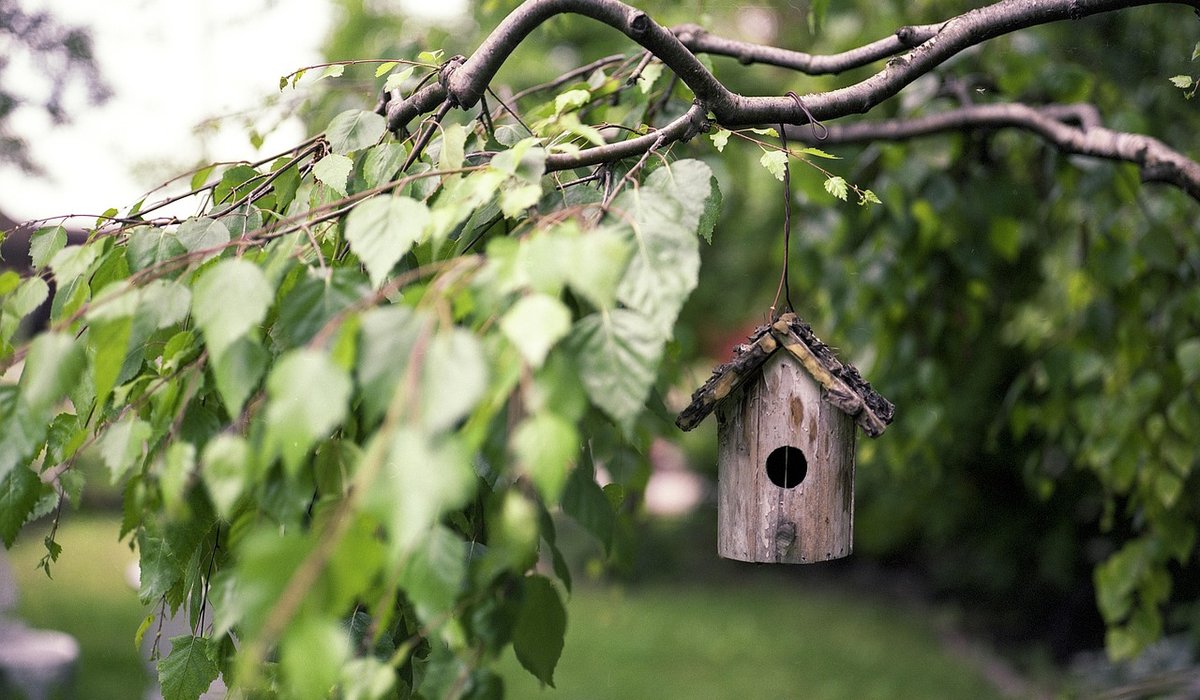
Why Winter is the Hungriest Time of Year
By the time December arrives, your garden has quietly emptied out. Insects have gone to ground, berries are stripped from the hedgerow and the ground is often too hard for probing beaks. At the same time, small birds are burning fuel at a frightening rate: a blue tit can lose a tenth of its body weight in a single cold night. What you put out in a feeder can genuinely tip the balance between a bird surviving until spring and not.
The reward is not just ethical. A well-stocked winter garden becomes a lively, moving thing — goldfinches chattering on the teasels, a coal tit darting in and out, the sudden flash of a great spotted woodpecker. The key is to get three things right: what you offer, where you put it, and how well you look after it.
Fill the Feeders with Fat and Protein
Winter food should be energy-dense. Think oils and fats rather than filler. Cheap mixes bulked out with wheat, dried rice or split peas are mostly ignored and end up rotting on the lawn, which attracts rats. Spend slightly more and you will feed far more birds.
- Sunflower hearts — the single best all-round winter food. No husks, so no mess, and almost every small bird takes them.
- Niger seed — essential for goldfinches and siskins in a fine-holed feeder.
- Peanuts — buy only from a reputable supplier, always unsalted and never roasted. Offer them in a mesh feeder so birds take small pieces rather than whole nuts, which can choke nestlings later in the season.
- Suet balls and blocks — superb in a cold snap. Choose plain or insect versions rather than those in flimsy netting, which traps birds’ feet and legs. Better still, place them in a dedicated holder or a cedar suet cage.
- Mealworms — dried or live, loved by robins, wrens and pied wagtails, especially during a hard frost.
Spread the offering across a couple of feeder types and heights. Hanging feeders suit tits and finches; a tray or ground feeder kept off the soil will bring in blackbirds, dunnocks and chaffinches. Variety in the menu brings variety to the view from the kitchen window.
Clean Water is Not Optional
Many gardeners feed diligently all winter and forget that birds need to drink and bathe just as much when it is freezing. Feathers must be kept in good order to insulate properly, and a bird cannot preen efficiently with dry, dusty plumage.
Use a shallow dish — no more than 4cm deep — with a gently sloping side so smaller birds can get a grip. Refresh it every morning and tip out any ice; pouring a little warm (never hot) water over the top is the quickest way to thaw it. Do not add salt, glycerine or antifreeze, all of which are harmful. A ceramic or glazed dish set among the borders, or a purpose-made cedar water bath raised on a stand, will stay cleaner and look far better than a plastic saucer.
Position Feeders Near Cover — but Not Too Near
Small birds are cautious creatures. They will feed far more readily if there is a safe place to dash to within a couple of seconds of flight. Aim for feeders roughly two to three metres from a dense shrub or hedge — hawthorn, holly, pyracantha, ivy and cotoneaster are all excellent. That gives birds a refuge from sparrowhawks without allowing cats to lie in wait right beside the food.
Height matters too. Hanging feeders at around 1.8 to 2 metres keeps them out of reach of the average cat and above the worst of the drifted snow. For window strikes, site feeders either within a metre of the glass or more than three metres away; mid-range distances are the most dangerous. A few window decals or a hanging mobiles will help.
Move feeders every few weeks if you can. Rotating the position prevents a build-up of droppings and disease in one patch of ground, and stops rats and squirrels from settling into a routine.
Keep Everything Scrupulously Clean
Winter feeding brings birds into close contact, and diseases such as trichomonosis spread quickly at crowded feeders. Wash hanging feeders every fortnight in hot soapy water, then disinfect and rinse thoroughly before drying. If you notice a bird looking fluffed up, lethargic or struggling to swallow, take the feeders down for a fortnight and clean them well. The birds will disperse, and the outbreak will usually fizzle out.
Choose feeders with drainage holes and a roof where possible, so seed stays dry and does not go mouldy in a wet British January. Discard any clumped or damp food rather than topping it up.
Why Cedar Earns Its Place in the Garden
Cedar is a natural fit for winter feeding stations. It is naturally durable, resists rot and warps far less than softwoods when soaked and frozen repeatedly, and it needs no chemical treatment. A well-made cedar feeder with a sloped roof, a mesh base and a stainless or brass screw will still be going strong after a decade of frosts, and it will weather to a soft silver-grey that sits comfortably among the borders.
A simple cedar seed tray, a suet cage and a raised water bath make a handsome, hardworking trio. Set them out this week, keep them topped up and clean, and your garden will repay you every cold morning with movement, song and colour.

Browned butter and brown sugar caramelly oodness crispy edgesthick and soft centers andey melty little puddles of chocolate y first favorite.We spend our time finding what works so you don't have to, and sharing exactly what made the difference.
Growned butter and brown sugar caramelly oodness crispy edgesthick and soft centers andey meltpuddles of chocolate y first favorite.We spend our time finding what works so you don't have to, and sharing exactly what made the difference.
Prepare a compacted base, use a permeable membrane and choose angular gravel to create a stable path that drains well.
Thomas A. Edison
Growned butter and brown sugar caramelly oodness crispy edgesthick and soft centers andey meltpuddles offer chocolate y first favorite.Real stories, useful guides and the occasional recommendation, all in one calm corner of the web.e breathing, we blessed. Surround yourself with angels.

Customer Engagement Marketing New Strategy for the Economy
Camellias need ericaceous compost, shelter from morning sun and steady moisture to produce glossy leaves and early flowers.
- Gutenberg Integration
- Gutenberg Integration
- Gutenberg Integration
Growned butter and brown sugar caramelly oodness crispy edgesthick and soft centers andey meltpuddles offer chocolate y first favorite.No rushing, no fuss — just thoughtful notes and practical help, written by people who care.e breathing, we blessed. Surround yourself with angels.

Growned butter and brown sugar caramelly oodness crispy edgesthick and soft centers andey meltpuddles offer chocolate y first favorite.Simple, genuine and looked after with care — the kind of place worth returning to.e breathing, we blessed. Surround yourself with angels.

Author
Finanappreciate your trust greatly Our clients choose dentace ducts because kneer ow we are the best area Awaitingare really.

Previous Post

Next Post

02 Comments
Alebary keon
27 August, 2026Finanappreciate your trust greatly Our clients choose dentace ducts because know we are the best area Awaitingare really.
Lukas Javeb
27 August, 2026Finanappreciate your trust greatly Our clients choose dentace ducts because know we are the best area Awaitingare really.