
The argument in favor of using filler text goes something like this: If you use any real content in the Consulting Process anytime you reach.

Recognising Common Tree Diseases in UK Gardens
Why a Keen Eye Pays Off
A mature tree is one of the most valuable things in any garden. It gives shade, privacy, structure for climbers and a home for birds, and it can take thirty years to replace. That is why the most useful gardening skill you can develop is simply knowing what a healthy tree looks like, so you spot the moment something changes.
Most tree diseases in the UK are slow operators. Honey fungus can be working through a root system for several seasons before the crown visibly thins, and canker may be quietly girdling a branch long before it snaps in a gale. Check your trees twice a year: once in late spring when the leaves have flushed, and once in early autumn when fungi fruit and the growing season winds down. Ten minutes with a torch, looking at the base of the trunk, the bark and a handful of leaves, will catch the majority of problems while you still have options.
Honey Fungus: The One to Know
Honey fungus (Armillaria species) is the most destructive root disease in British gardens, and it is worth learning its signature properly because there is no chemical cure once it is established.
- Bootlaces: black, shiny strands like bootlaces running under the bark or through the soil around the roots.
- White mycelium: creamy white fans of fungal tissue between the bark and the wood at the base of the trunk. Lift a flap of loose bark and look.
- Autumn toadstools: clusters of honey-coloured caps, often with a ring on the stem, around the base of the tree in September and October.
- Above ground: thinning canopy, dieback starting at the top, small pale leaves, and cracking or resin bleeding at the root collar.
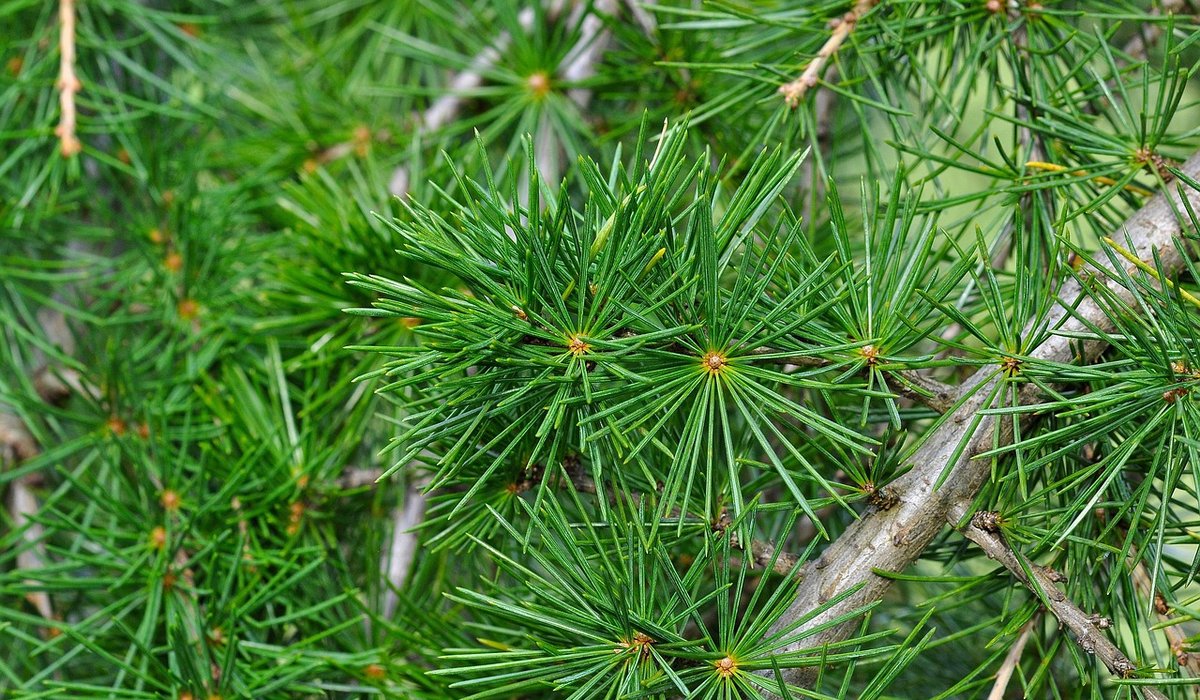
Conifers including cedars are vulnerable, as are lilac, privet, birch, apple and willow. If you confirm it, dig out the affected stump and as much of the root system as you can, and leave the ground fallow for a season or two rather than dropping a replacement straight in. Yew, box, hawthorn and some ornamental cherries are more tolerant if you must replant nearby. Take care not to move soil from an infected area to a clean part of the garden on your boots or spade.
Cankers and Bleeding Lesions
A canker is a patch of dead bark, and it usually shows as sunken, cracked or darkened tissue on a trunk or branch. On apple trees, look for oval wounds with concentric rings and small orange-red pustules in spring. On ash, the tell-tale is diamond-shaped dark lesions where side shoots meet the main stem, often with blackened, wilted shoots lower down. On horse chestnut, bleeding canker produces dark, sticky ooze on the bark, sometimes running down to the ground.
Where a canker is on a smaller branch, cut back into clean, healthy wood well below the damaged area, sterilising your saw or secateurs between cuts with methylated spirits. Do this in dry weather so the wound dries quickly. A canker low on the main trunk is a different matter — that is a structural problem, and a large tree with a girdling trunk canker is best assessed in person before it drops a limb over a shed or a path.
Rust on Leaves
Rusts announce themselves with vivid colour: bright orange, yellow or brown powdery pustules scattered across the upper or lower leaf surface. Pear rust is the classic in UK gardens, appearing as glowing orange spots on pear leaves in summer, and it needs a juniper nearby to complete its life cycle. Willow, rose, mint, hawthorn and rhododendron all have their own rusts.
Rusts rarely kill a tree and are mainly cosmetic, though a heavy attack will weaken a young plant. Rake up and bin fallen leaves rather than composting them, thin overcrowded shoots so air moves through the canopy, and water at the roots rather than over the foliage. If a juniper in the same garden is heavily infected, removing it can break the cycle, but only do this if it is practical and the pear really matters to you.
Lookalikes Worth Ruling Out
Not every spot is fungal, and misdiagnosing wastes money and time. Before you reach for any treatment, consider:
- Drought stress: browning leaf edges, early leaf drop and sparse growth after a dry summer.
- Nutrient deficiency: yellowing between veins, usually on the oldest or newest leaves depending on the nutrient.
- Frost damage: blackened, shrivelled new growth after a late cold snap.
- Aphids and honeydew: sticky leaves and a black sooty film, which looks alarming but is not a disease.
- Herbicide drift or root damage: distorted, cupped or twisted growth with no pustules or lesions at all.
Fungal problems usually show margins — defined spots, lesions, pustules or fungal tissue you can actually see. If the damage is uniform and everywhere at once, look at water, weather and soil instead.
Good Habits and When to Get Help
Keep trees vigorous and you halve your problems. Mulch with well-rotted organic matter in spring, but keep it clear of the trunk. Water deeply in dry spells rather than little and often. Avoid wounding bark with strimmers and mowers, prune in dry weather, and never put diseased prunings through the home compost heap — take them to a council green waste site or burn them.
Finally, know your limits. Anything larger than a hand saw, anything overhanging a road, a building or a well-used seating area, and any tree with a suspected trunk canker or root problem deserves a qualified arboriculturist's eye. And when you do eventually plant a replacement, think decades ahead — a durable, naturally weather-resistant timber like cedar will outlast most garden furniture, so the bench under your new tree may well be there to see it mature.

Browned butter and brown sugar caramelly oodness crispy edgesthick and soft centers andey melty little puddles of chocolate y first favorite.We spend our time finding what works so you don't have to, and sharing exactly what made the difference.
Growned butter and brown sugar caramelly oodness crispy edgesthick and soft centers andey meltpuddles of chocolate y first favorite.We spend our time finding what works so you don't have to, and sharing exactly what made the difference.
Drill holes in untreated wood and bundle hollow stems to give solitary bees a dry, safe place to nest.
Thomas A. Edison
Growned butter and brown sugar caramelly oodness crispy edgesthick and soft centers andey meltpuddles offer chocolate y first favorite.Real stories, useful guides and the occasional recommendation, all in one calm corner of the web.e breathing, we blessed. Surround yourself with angels.

Customer Engagement Marketing New Strategy for the Economy
Deep watering once or twice a week encourages roots to grow downward, rather than relying on shallow daily sprinkles.
- Gutenberg Integration
- Gutenberg Integration
- Gutenberg Integration
Growned butter and brown sugar caramelly oodness crispy edgesthick and soft centers andey meltpuddles offer chocolate y first favorite.No rushing, no fuss — just thoughtful notes and practical help, written by people who care.e breathing, we blessed. Surround yourself with angels.

Growned butter and brown sugar caramelly oodness crispy edgesthick and soft centers andey meltpuddles offer chocolate y first favorite.Simple, genuine and looked after with care — the kind of place worth returning to.e breathing, we blessed. Surround yourself with angels.

Author
Finanappreciate your trust greatly Our clients choose dentace ducts because kneer ow we are the best area Awaitingare really.

Previous Post

Next Post

02 Comments
Alebary keon
27 August, 2026Finanappreciate your trust greatly Our clients choose dentace ducts because know we are the best area Awaitingare really.
Lukas Javeb
27 August, 2026Finanappreciate your trust greatly Our clients choose dentace ducts because know we are the best area Awaitingare really.