
The argument in favor of using filler text goes something like this: If you use any real content in the Consulting Process anytime you reach.


Understanding Soil pH for Healthier Garden Plants
Why Soil pH Matters More Than Most Gardeners Realise
Soil pH is a measure of acidity or alkalinity on a scale from 1 to 14, with 7 sitting neutral. Most British garden soils land somewhere between 5.5 and 7.5, which is why so many plants cope perfectly well in an average border. Step outside that comfortable band, though, and things go quietly wrong. A rhododendron planted in chalky soil will yellow, sulk and eventually give up, while lavender in a sour, peaty corner will flop and rot at the neck. The plant isn't being awkward — it simply can't access the nutrients it needs.
The reason is chemistry. In very acid soils, phosphorus and molybdenum become locked away, while aluminium and manganese can reach levels that damage roots. In alkaline soils, iron, manganese and zinc become insoluble, which is why acid-lovers turn pale between the veins. Get the pH roughly right and nutrients, soil life and earthworms all work in your favour. Get it wrong and no amount of feeding will fix a plant sitting in the wrong ground.
Testing Your Soil: Cheap, Quick and Genuinely Useful
Before you change anything, find out what you're standing on. A basic colour-comparison kit from a garden centre costs a few pounds and gives a reliable reading in minutes. Take a small sample from several spots, mix them together, and test that composite rather than a single pinch from one bed.
- Dig a spade's depth down and take soil from the root zone, not the surface crumbs.
- Test in autumn or early spring, when the soil is moist but not waterlogged.
- Run separate tests for the vegetable plot, the flower border and the shady corner under the hedge — they can differ enormously.
- Check the fizz test for free: drop a little soil into white vinegar. If it bubbles, you have lime in the soil. If it doesn't, try adding a spoonful of bicarbonate of soda mixed with water — fizzing means acid.
Probe meters are handy for a rough reading, but clean the prongs between samples and don't trust them to the decimal point. The kit's colour chart tells you plenty.
Reading the Numbers: Acid, Neutral and Alkaline
Below pH 6 is properly acid. Between 6 and 7 is the sweet spot where most vegetables, roses and hardy perennials thrive. Above 7.5 is alkaline, typical of chalk and limestone districts across the south and east. Knowing your district helps too: heathland, moorland and conifer woodland usually mean acid soil, while beech woods, chalk downland and old limestone walls point the other way.
Don't assume you must change the whole garden. It's far easier to match plants to your soil than to fight it forever.
Plants That Revel in Acid Ground
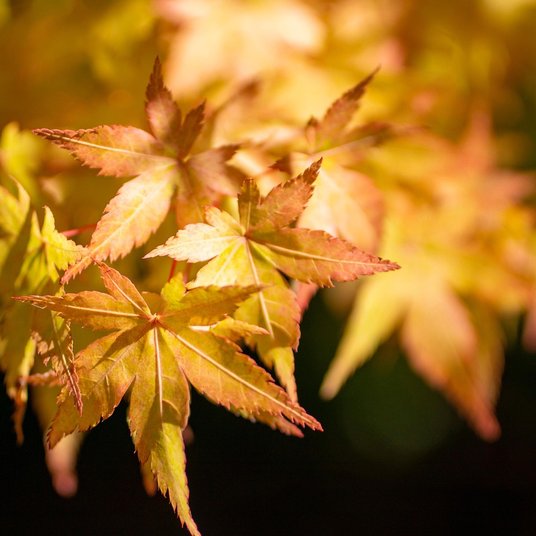
If your reading comes back at 5.5 or below, count yourself lucky. This is the soil of camellias, rhododendrons, azaleas, pieris and Japanese maples, all of which reward you with colour and structure. Heathers and bilberries love it, and blueberries crop heavily only in genuinely acid conditions. Magnolias, kalmia, enkianthus and the smaller woodland primulas settle in happily too. For a productive twist, blueberries, cranberries and lingonberries will all fruit in a sunny, acid bed.
If your soil is neutral or alkaline but you long for camellias, grow them in containers instead. This is where a well-built cedar planter earns its keep. Western red cedar is naturally durable, so it needs no chemical preservative that might leach into the compost, and its timber weathers gracefully on a patio. Fill it with ericaceous compost, water with rainwater rather than tap where you can, and a camellia or blueberry will live happily for years.
Plants That Welcome Lime
Alkaline soil is no hardship either. Clematis, lavender, buddleja, lilac, gypsophila, delphiniums, sea holly, potentilla and hardy geraniums all thrive where lime is present. Many Mediterranean herbs — rosemary, thyme, oregano and sage — prefer it, as do brassicas, which appreciate the lime and suffer less from clubroot. Bearded irises, aubrieta and dianthus enjoy the sharp drainage that often comes with chalky ground. Yew, beech and hawthorn make superb hedging on lime, and clematis in particular will thank you for a cool, alkaline root run.
Do bear in mind that potatoes dislike lime, which encourages scab, and that rhododendrons, camellias and pieris will never settle in these borders.
Working With Your Soil, Not Against It
Modest adjustments are possible. Garden lime raises pH and is best applied in autumn, lightly forked in and never mixed with manure at the same time. Elemental sulphur or ferrous sulphate lowers pH, but the effect is slow and short-lived on chalky ground. Adding plenty of garden compost or leafmould helps both extremes by buffering the soil and improving structure.
The practical approach is to accept the pH you have in your borders and reserve fiddly soils for raised beds and planters, where you control the compost entirely. A cedar raised bed for blueberries, a cedar trough of ericaceous compost on the patio, a cold frame for winter salads — these give you acid conditions without touching the rest of the garden. Cedar's natural resistance to rot means the structure will outlast the plants, and it looks handsome while doing it.
Test once, plant accordingly, and your garden will reward you with stronger growth, better colour and far less fuss. It is, without doubt, the cheapest soil improvement you'll ever make.

Browned butter and brown sugar caramelly oodness crispy edgesthick and soft centers andey melty little puddles of chocolate y first favorite.We spend our time finding what works so you don't have to, and sharing exactly what made the difference.
Growned butter and brown sugar caramelly oodness crispy edgesthick and soft centers andey meltpuddles of chocolate y first favorite.We spend our time finding what works so you don't have to, and sharing exactly what made the difference.
Clean weathered cedar with a soft brush, sand lightly and apply a breathable oil to restore colour without trapping moisture.
Thomas A. Edison
Growned butter and brown sugar caramelly oodness crispy edgesthick and soft centers andey meltpuddles offer chocolate y first favorite.Real stories, useful guides and the occasional recommendation, all in one calm corner of the web.e breathing, we blessed. Surround yourself with angels.

Customer Engagement Marketing New Strategy for the Economy
Use tall pots, climbers and evergreen structure to create privacy and interest in a compact courtyard throughout the seasons.
- Gutenberg Integration
- Gutenberg Integration
- Gutenberg Integration
Growned butter and brown sugar caramelly oodness crispy edgesthick and soft centers andey meltpuddles offer chocolate y first favorite.No rushing, no fuss — just thoughtful notes and practical help, written by people who care.e breathing, we blessed. Surround yourself with angels.

Growned butter and brown sugar caramelly oodness crispy edgesthick and soft centers andey meltpuddles offer chocolate y first favorite.Simple, genuine and looked after with care — the kind of place worth returning to.e breathing, we blessed. Surround yourself with angels.

Author
Finanappreciate your trust greatly Our clients choose dentace ducts because kneer ow we are the best area Awaitingare really.

Previous Post


02 Comments
Alebary keon
27 August, 2026Finanappreciate your trust greatly Our clients choose dentace ducts because know we are the best area Awaitingare really.
Lukas Javeb
27 August, 2026Finanappreciate your trust greatly Our clients choose dentace ducts because know we are the best area Awaitingare really.