
The argument in favor of using filler text goes something like this: If you use any real content in the Consulting Process anytime you reach.

Planting a Wildlife-Friendly Hedge in Urban Spaces

Why a Hedge Beats a Fence in a Small Urban Garden
If you live on a busy road, a living hedge does far more than mark a boundary. It filters exhaust particulates, muffles traffic noise, and gives birds a safe corridor to move between gardens. Even a narrow front strip – just 60cm wide – can support a surprising amount of wildlife. Unlike a wooden panel fence, a mixed native hedge offers food, shelter, and nesting sites all year round. It also cools the air on hot days and holds rainwater, reducing run-off into drains. For anyone with a small urban plot, planting a hedge is one of the most generous acts you can do for local creatures.
Choosing Native Species for Tight Spaces
Not every native shrub suits a compact garden beside a main road. You want species that tolerate pollution, grow well in poor or compacted soil, and respond happily to regular pruning. A mix of three to five species is ideal – this gives you berries in autumn, catkins in spring, and dense twiggy growth for nests.
- Hawthorn – tough as old boots, thorny (good for nesting), with red haws that feed thrushes and redwings.
- Blackthorn – similar to hawthorn but suckers slowly; sloe berries for birds and gin makers.
- Hazel – catkins early in the year, nuts for squirrels and dormice, and pliable stems for weaving.
- Holly – evergreen, dense, and pollution-tolerant; female plants bear berries if a male is nearby.
- Guelder rose – white flowers, translucent red berries, and brilliant autumn colour.
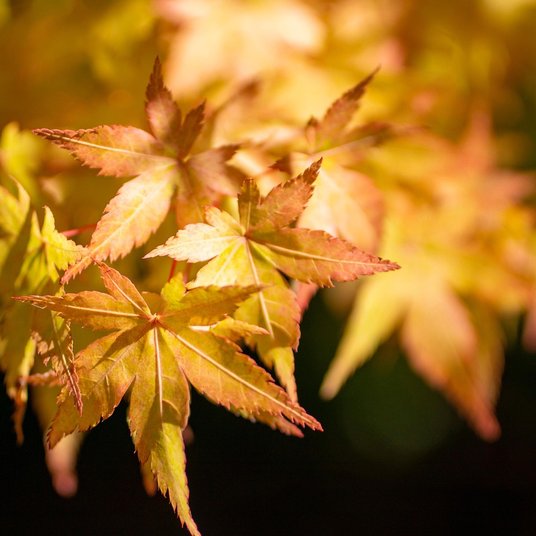
- Field maple – compact, with winged seeds and golden autumn leaves.
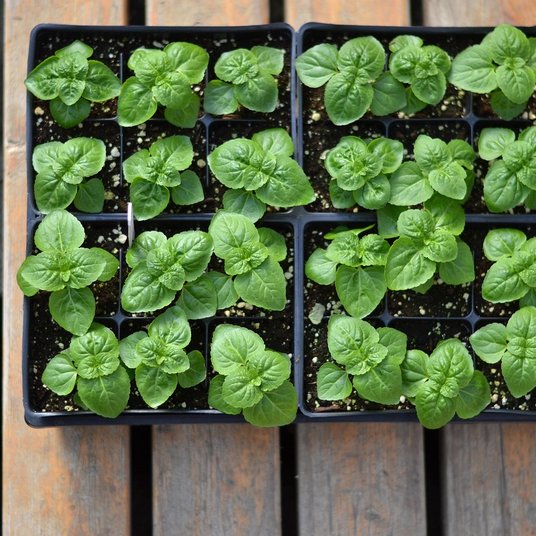
For a two-metre stretch, plant five to seven bare-root whips (60–90cm tall) between November and March. Bare roots establish better than container-grown plants and cost far less. Avoid large, fast-growing species like willow or poplar in tiny plots – they will quickly outgrow their welcome.
Planting a Hedge in a Narrow Front Garden
Before you dig, check for buried cables or pipes by using a spade rather than a fork – it gives you more control. Mark a straight line using a garden twine and two sturdy cedar stakes. The natural oils in cedar make them last for years without chemical treatment, and they look handsome even when the hedge is bare.
Prepare a trench 45cm wide and 30cm deep. Fork the bottom to break up compaction, then mix in a few handfuls of garden compost or well-rotted manure. Space plants 30–45cm apart in a single row; if you have room for a double staggered row, set them 45cm between rows. Water each whip thoroughly, then mulch with 5cm of bark chippings, keeping the mulch clear of the stems.
In a front garden beside a road, protect the young hedge from dogs and foot traffic with a temporary guard – a simple frame of cedar slats driven into the ground works well and can be reused. Water weekly for the first two summers, especially during dry spells. A hedge that dries out in its first year rarely recovers.
Pruning for Wildlife, Not Just Neatness
The golden rule: never prune between March and August. That is peak nesting season, and even a light trim can disturb birds sitting on eggs. Late winter – February to early March – is the safest time. If you want berries for winter birds, prune only one section or one side per year, leaving the rest to flower and fruit.
Use sharp secateurs or loppers rather than a hedge trimmer. Hand cutting leaves cleaner wounds and allows you to shape the hedge into an A-frame – wider at the base, narrower at the top. This lets light reach the bottom, preventing the bare, leggy look that plagues many urban hedges. Cut out any dead or diseased wood first, then trim the sides and top lightly. Aim to remove no more than one-third of the growth in a single year. After pruning, leave a few fallen twigs and leaves in a corner – they make ideal overwintering spots for insects and hedgehogs.
Adding Cedar Details for Outdoor Living
Cedar woodcraft pairs beautifully with a wildlife hedge. A small cedar bird box fixed to a wall or fence near the hedge gives blue tits and sparrows a ready-made nesting cavity. Cedar is naturally weather-resistant, so it needs no paint or varnish. You can also build a simple cedar insect hotel – a stack of hollow stems and drilled logs – and tuck it at the base of the hedge.
For the human side of outdoor living, a low cedar bench placed a metre back from the hedge invites you to sit and watch the birds. Cedar’s warm colour and faint aroma make it a pleasure to work with, and offcuts can be used as plant labels or rustic edging. If you have a young climbing rose or honeysuckle, train it up a cedar tripod beside the hedge – the extra flowers will draw in bees and butterflies.
Long-Term Care and What to Expect
Native hedges grow 20–40cm per year, so patience is required. In the first two years, keep the base clear of weeds and water during dry spells. After year three, an annual late-winter prune is all that is needed. You will start to see results quickly: insects arrive first, then nesting birds in spring, and finally the autumn berry feast.
Even a modest hedge in a busy urban street becomes a tiny nature reserve. It will not solve every environmental problem, but it will shelter a family of sparrows, feed a flock of redwings, and soften the view of traffic. With careful pruning and a few cedar touches, you get a boundary that works for wildlife and for you.

Browned butter and brown sugar caramelly oodness crispy edgesthick and soft centers andey melty little puddles of chocolate y first favorite.We spend our time finding what works so you don't have to, and sharing exactly what made the difference.
Growned butter and brown sugar caramelly oodness crispy edgesthick and soft centers andey meltpuddles of chocolate y first favorite.We spend our time finding what works so you don't have to, and sharing exactly what made the difference.
Testing soil acidity helps you choose plants that thrive, from acid-loving camellias to lime-tolerant clematis and lavender in borders.
Thomas A. Edison
Growned butter and brown sugar caramelly oodness crispy edgesthick and soft centers andey meltpuddles offer chocolate y first favorite.Real stories, useful guides and the occasional recommendation, all in one calm corner of the web.e breathing, we blessed. Surround yourself with angels.

Customer Engagement Marketing New Strategy for the Economy
Clean weathered cedar with a soft brush, sand lightly and apply a breathable oil to restore colour without trapping moisture.
- Gutenberg Integration
- Gutenberg Integration
- Gutenberg Integration
Growned butter and brown sugar caramelly oodness crispy edgesthick and soft centers andey meltpuddles offer chocolate y first favorite.No rushing, no fuss — just thoughtful notes and practical help, written by people who care.e breathing, we blessed. Surround yourself with angels.

Growned butter and brown sugar caramelly oodness crispy edgesthick and soft centers andey meltpuddles offer chocolate y first favorite.Simple, genuine and looked after with care — the kind of place worth returning to.e breathing, we blessed. Surround yourself with angels.

Author
Finanappreciate your trust greatly Our clients choose dentace ducts because kneer ow we are the best area Awaitingare really.

Previous Post


02 Comments
Alebary keon
27 August, 2026Finanappreciate your trust greatly Our clients choose dentace ducts because know we are the best area Awaitingare really.
Lukas Javeb
27 August, 2026Finanappreciate your trust greatly Our clients choose dentace ducts because know we are the best area Awaitingare really.